Notes for Solidity, Blockchain, and Smart Contract Course — Beginner to Expert Python Tutorial video
Solidity, Blockchain, and Smart Contract Course — Beginner to Expert Python Tutorial by patrick collins
Welcome to block chain
Bitcoin whitepaper
https://bitcoin.org/bitcoin.pdf
Smart contracts are written in codes with many parties.
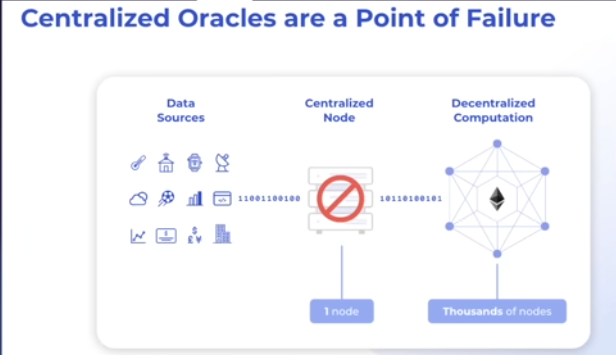
Dapp = smart contract = Decentralized app
Hybrid smart contract = smart conract + centerilze system
Decentralized system is one of the advantages of smart contract.
Smart contract has a clear system.
Blockchain is immutable.
— — — — — — — — — — — — — — — — — — — — -
Decentralized autonomous organization DAo
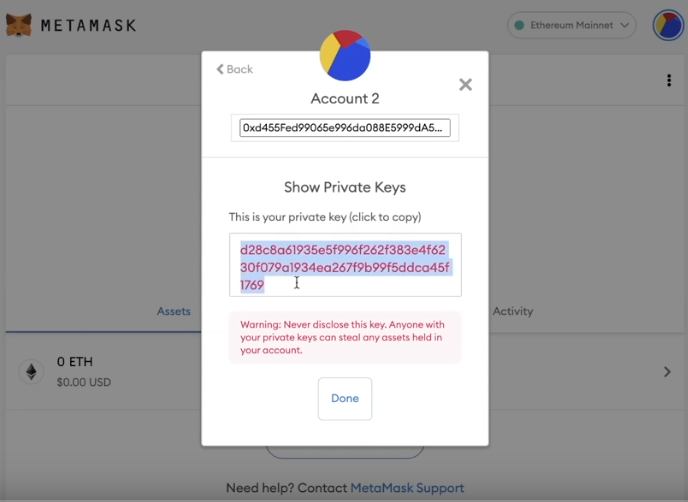
MetaMask
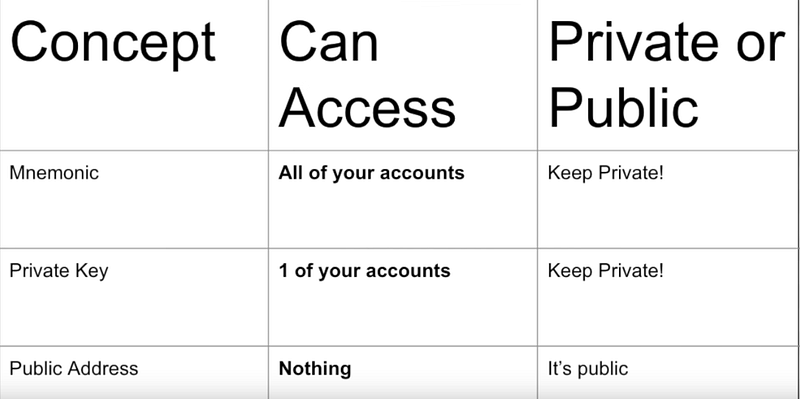
Access to private Key
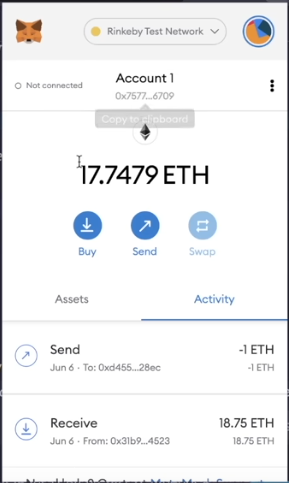
Test NET
The Rinkeby Testnet is Deprecated
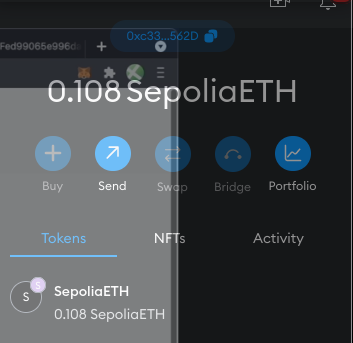
Sepolia was a proof-of-authority testnet created in October 2021 by Ethereum core developers and maintained ever since. After the Ropsten testnet reached a Terminal Total Difficulty (TTD) of 50000000000000000 the Sepolia and the Goerli testnets transitioned to a proof-of-stake consensus mechanism to mimic the Ethereum mainnet.



https://www.alchemy.com/nft-api
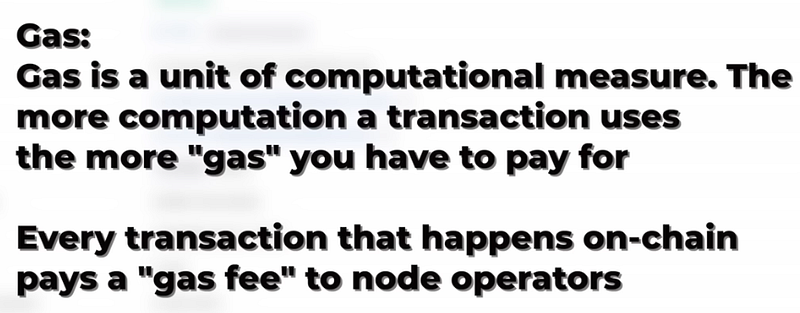
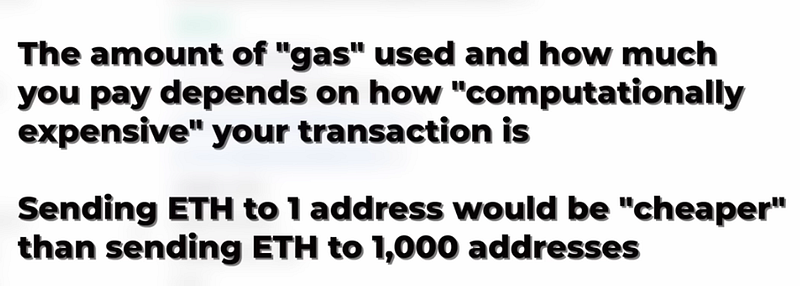
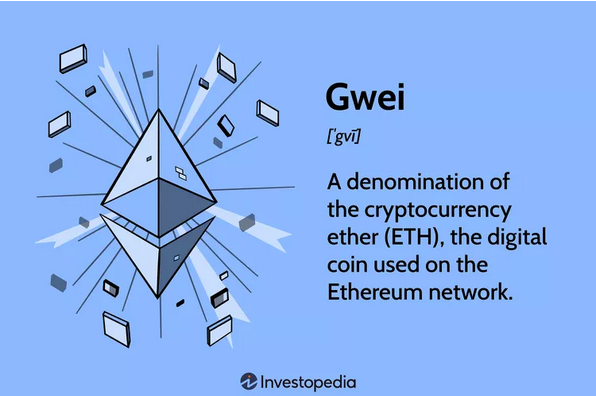
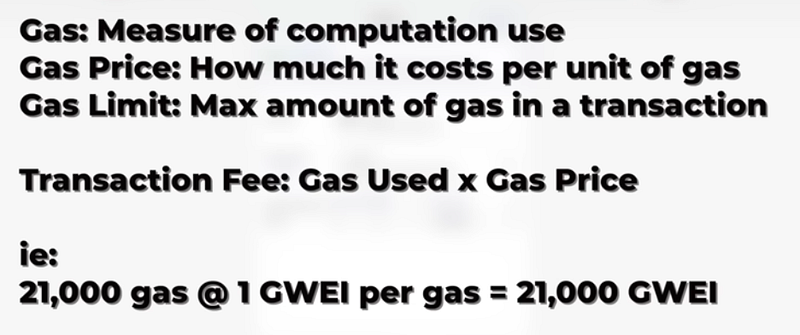
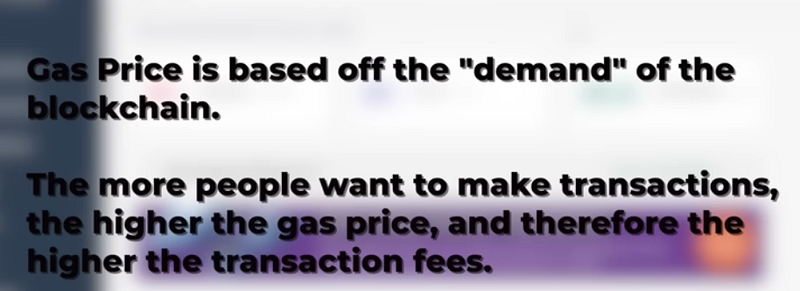
Gwei is a denomination of the cryptocurrency ether (ETH), used on the Ethereum network to buy and sell goods and services. A gwei is one-billionth of one ETH. Gwei is the most commonly used ether unit because it is easier to specify Ethereum gas prices.
Live block chain demo
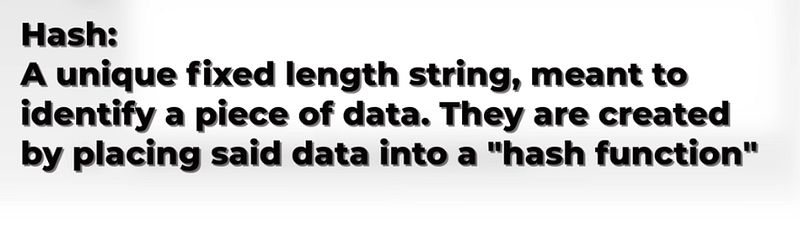
keccak256
Keccak256 is a cryptographic hash function that takes an input of an arbitrary length and produces a fixed-length output of 256 bits. It is the function used to compute the hashes of Ethereum addresses, transaction IDs, and other important values in the Ethereum ecosystem
https://www.youtube.com/watch?v=ucw5ZW291V0
SHA256
SHA-256 is one of the successor hash functions to SHA-1 (collectively referred to as SHA-2), and is one of the strongest hash functions available. SHA-256 is not much more complex to code than SHA-1, and has not yet been compromised in any way. The 256-bit key makes it a good partner-function for AES.
https://www.youtube.com/watch?v=orIgy2MjqrA
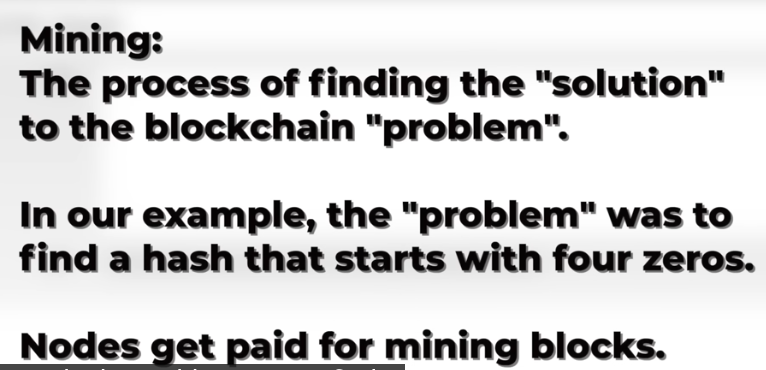
Target is finding best Nonce for condition in a hash function
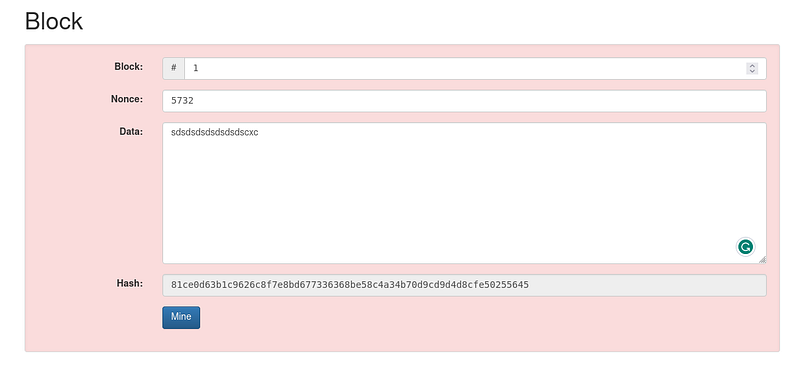
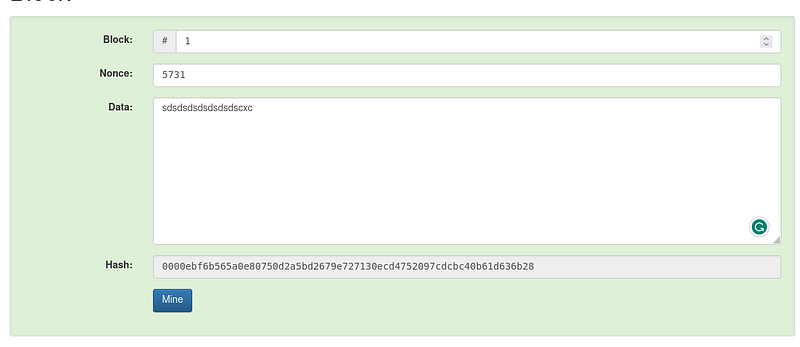
Bruce force trying to find the best nonce
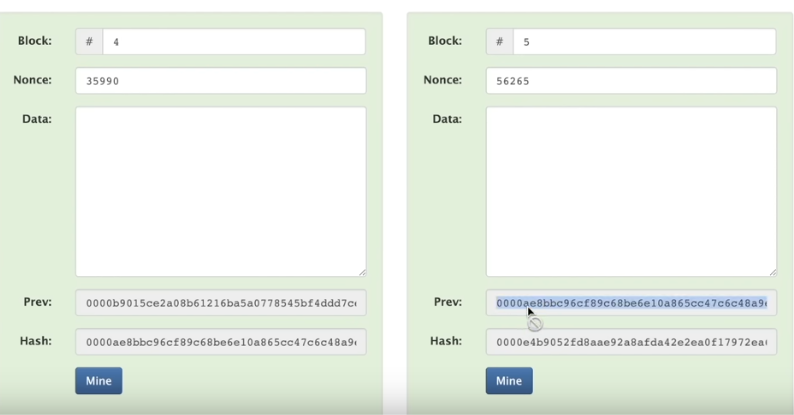

Peer to peer transaction
we have 3 different peers :
peer A
peer B
peer c
when value in A change then hash A change
base on majority peer A has different value from peer B and peer C
Hash Wars !
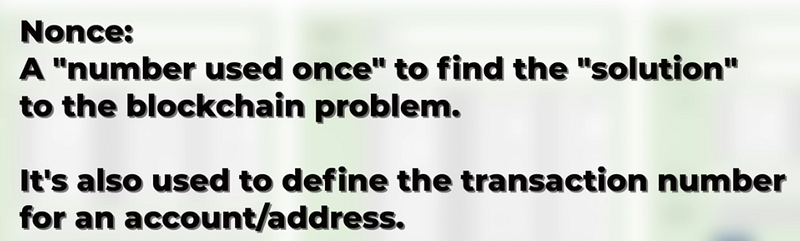
Nonce in Etherium is number of transaction
https://andersbrownworth.com/blockchain/public-private-keys/keys
The Elliptic Curve Digital Signature Algorithm (ECDSA) is a Digital Signature Algorithm (DSA) which uses keys derived from elliptic curve cryptography (ECC)
https://www.youtube.com/watch?v=NF1pwjL9-DE
Diffie Hellman -the Mathematics bit- Computerphile
https://www.youtube.com/watch?v=Yjrfm_oRO0w
https://www.youtube.com/watch?v=Yjrfm_oRO0w
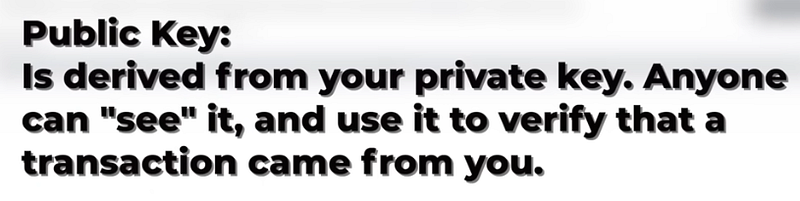
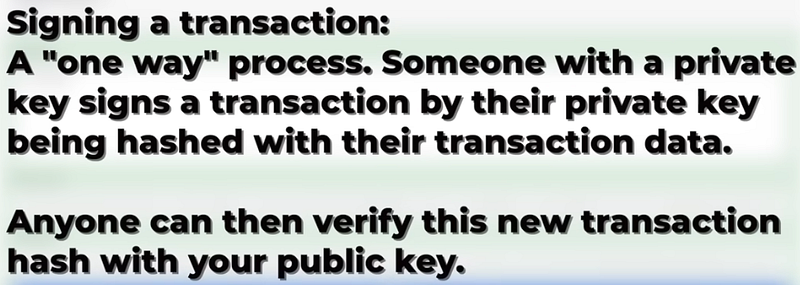
private key ( secure) -> using math algoritm -> public key
Signatures
Ethereum address is public key
An Ethereum address is a 42-character hexadecimal address derived from the last 20 bytes of the public key controlling the account with 0x appended in front. e.g., 0x71C7656EC7ab88b098defB751B7401B5f6d8976F
Proof of work and proof of stack

chain selection
Sybil resistance
proof of work
civil attack
Nakamoto consensus
block confirmation : number of blocks ahead of chain
we paid gas to the miner
Proof of work uses a lot of energy
transaction fee and gas reward
Sybil Attack
blockchain is more democratic
proof of work uses a lot of energy
ETH 2.0

validators: how choose random validators?
layer one and layer two

bitcoin ethereum are layer one.
layer 2: application added on layer one
What Are Blockchain Rollups?
Blockchain rollups refers to a Layer 2 crypto scaling solution for blockchains which involves ‘rolling up’ or compiling a bunch of transactions on a layer 2 blockchain and turning them into a single piece of data to broadcast on a Layer 1 blockchain. To explain, they take the transactions out of the mainnet and process them off-chain. Then convert them into one single piece of data, and submit them back on a parent chain. This is why rollups are also called ‘off-chain scaling solutions.’
Solidity program
pragma solidity ^0.6.0;https://docs.soliditylang.org/en/v0.8.23/types.html
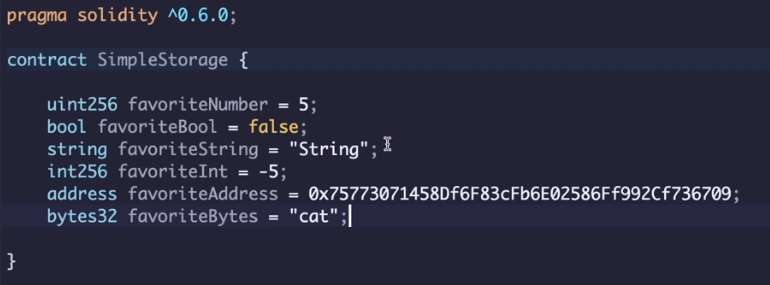
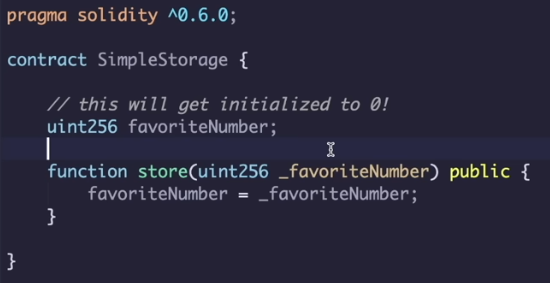
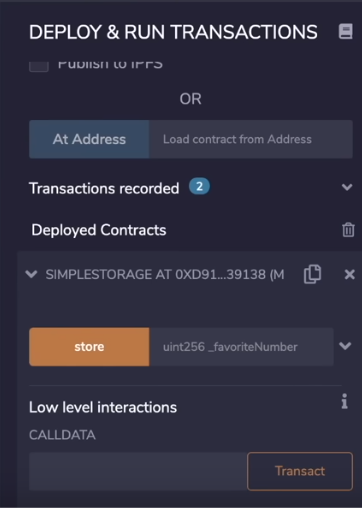
for each run the code we need to spend money
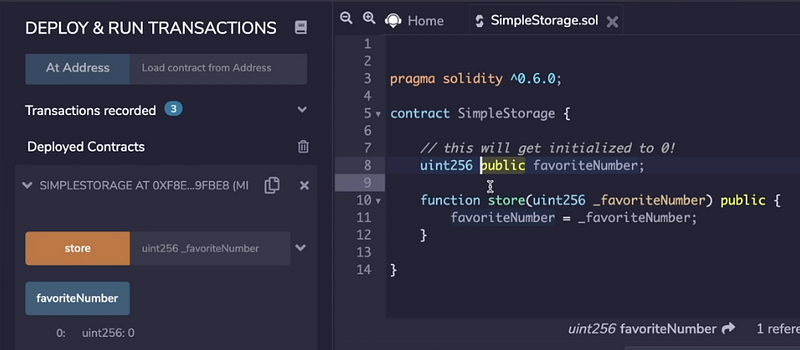
default value is internal
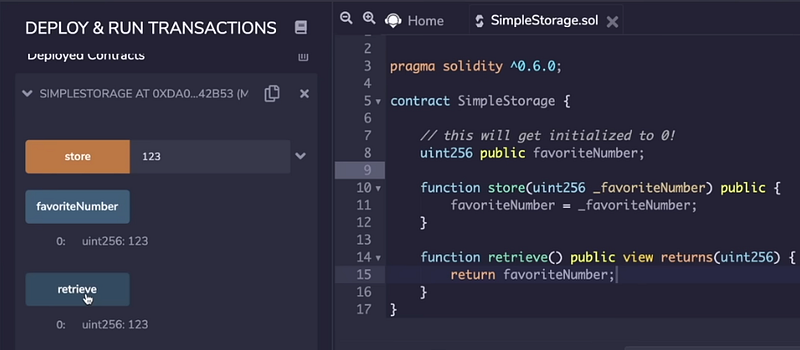
view is read a state of blockchain

pure is not save anything
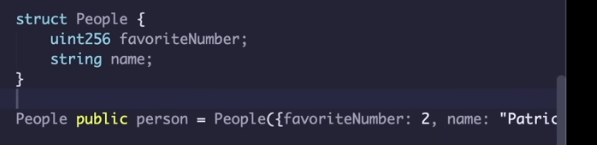
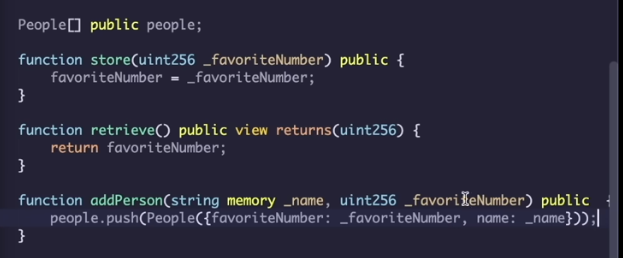
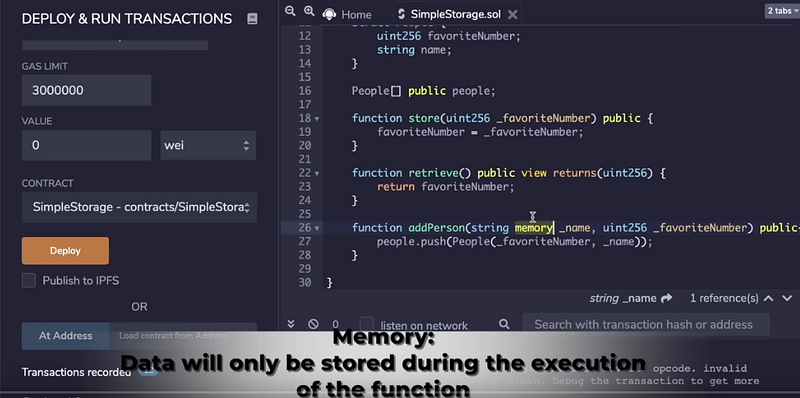
storage mean data will access after function execute.
string is array of bytes. we need to use string memory when use it as a parameter.
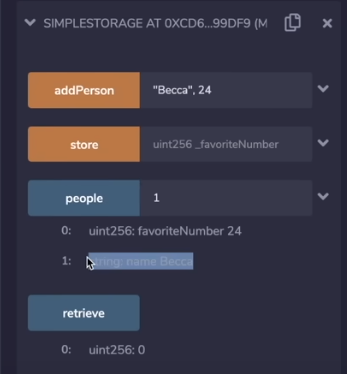

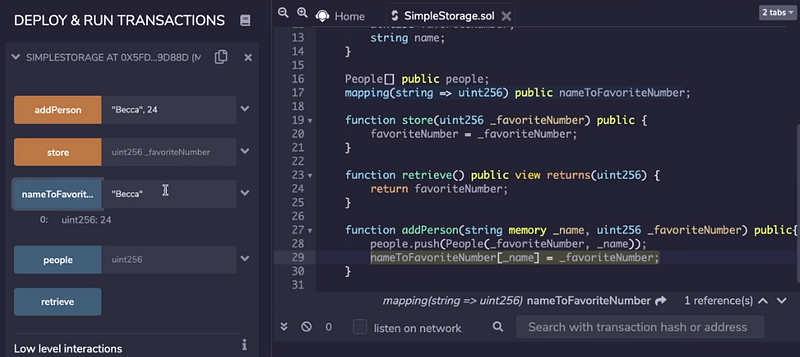
sepolia testnet faucet
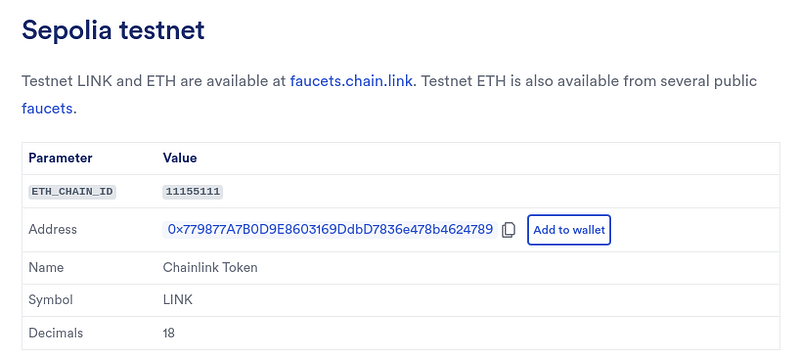
https://docs.chain.link/resources/acquire-link
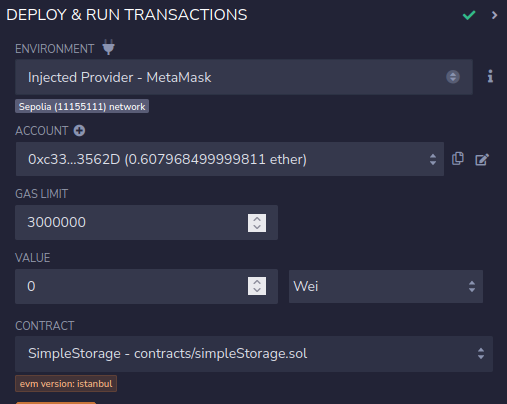
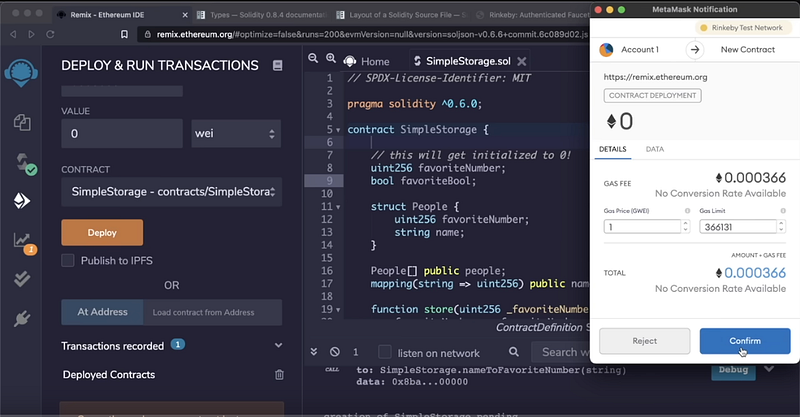
https://sepolia.etherscan.io/tx/0x8e70f41f41ebe2b3dbd01e649ce385d08c23f5f79499694347147517040e52be
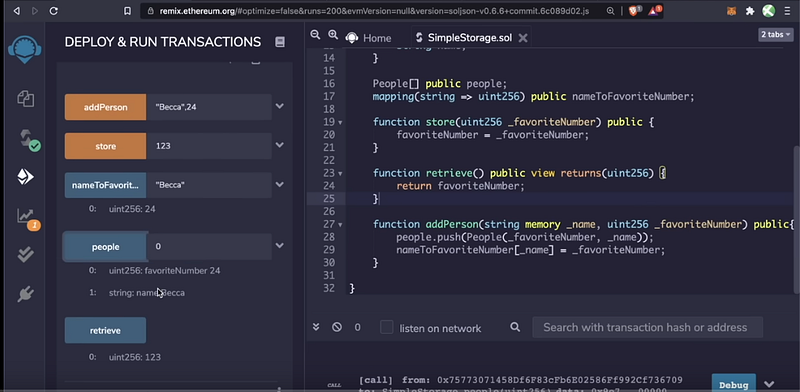

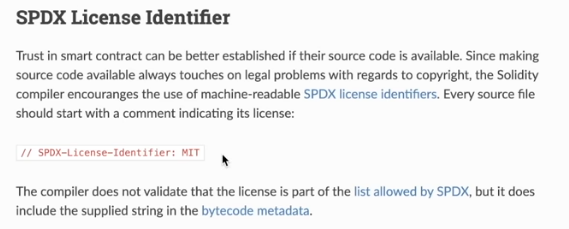
// SPDX-License-Identifier: MITpragma solidity ^0.6.0;
contract SimpleStorage {
  // this will get initialized to 0! uint256 favoriteNumber;
  bool favoriteBool;
  struct People {
    uint256 favoriteNumber;
    string name;
  }
  People[] public people;
  mapping(string => uint256) public nameToFavoriteNumber;
  function store(uint256 _favoriteNumber) public {
    favoriteNumber = _favoriteNumber;
  }
  function retrieve() public view returns(uint256) {
    return favoriteNumber;
  }
  function addPerson(string memory _name, uint256 _favoriteNumber) public{
    people.push(People(_favoriteNumber, _name));
    nameToFavoriteNumber[_name] = _favoriteNumber;
  }
}
Subscribe to DDIntel Here.
Have a unique story to share? Submit to DDIntel here.
Join our creator ecosystem here.
DDIntel captures the more notable pieces from our main site and our popular DDI Medium publication. Check us out for more insightful work from our community.
DDI Official Telegram Channel: https://t.me/+tafUp6ecEys4YjQ1